Category
Culture
The people who harvest it, the places it comes from, and the practices around it.
4 articles.
Start here
Xenophon’s Mad Honey Story: What Happened, Where It Happened, and Why It Still Gets Cited
In the *Anabasis*, Xenophon reports that Greek soldiers near Trapezus on the Black Sea ate local honeycomb, became disoriented and violently ill, and temporarily collapsed before recovering. The passage remains one of the earliest detailed accounts consistent with grayanotoxin poisoning, although identifying mad honey as the cause is a modern interpretation rather than laboratory-confirmed fact.

Himalayan Mad Honey: What It Really Means, Where It’s From, and How to Spot the Real Thing

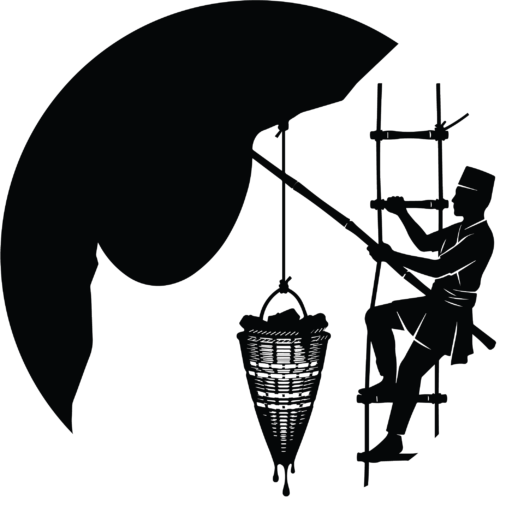
Mad Honey Nepal: How It’s Harvested, Where It Comes From, and Why It’s So Rare
We publish no dosing figures
You will not find a spoon count, weight, volume, or “start with this much” recommendation on this site. That is a deliberate editorial rule.
Mad honey can contain grayanotoxins, and toxin levels may vary between harvests, locations, and batches. Its colour, flavour, origin, or label cannot reliably establish how much toxin a jar contains.
Related sections
Basics
What the substance is, what it tastes like, and which claims survive scrutiny.
Guides
Practical questions: storage, authenticity, reading a lab report, travel.
Law
Country-by-country legality, imports, food rules, and health-claim restrictions.
Safety
What mad honey does to the body, how reactions present, and when a reaction becomes a medical emergency.
One email a month, when there is something worth saying.
Get new research summaries, major safety updates, Himalayan harvesting stories, and country-specific legality changes, without daily marketing emails.