
 By aditya
 Gurung Honey Hunters: Nepal’s Cliff Honey Harvest Tradition
Gurung honey hunters in Nepal preserve a highly skilled cliff-harvesting tradition shaped by local ecology, seasonal knowledge, collective labour, and cultural practice. Their work is more than a dramatic climb: it supports livelihoods and community identity while facing growing pressures from commercialisation, tourism, habitat change, and declining wild bee populations.
Key takeaways
- Gurung honey hunters are best known for harvesting wild cliff honey in Nepal using traditional rope, smoke, cutting, and collection methods passed down through local communities.
- The honey is usually collected from large cliffside combs built by Apis laboriosa, the Himalayan giant honey bee, not from standard domestic beehives.
- The harvest is dangerous because it combines height, bee aggression, smoke exposure, weather, loose rock, and limited modern safety equipment.
- Some Gurung-harvested honey can be associated with mad honey when bees collect nectar from rhododendron bloom zones, but not every cliff honey batch has the same strength or effect.
- Responsible buying should focus on origin transparency, fair sourcing, batch information, conservative safety guidance, and respect for the people and ecosystems behind the honey.
Gurung honey hunters are members of Nepal’s hill and Himalayan communities known for harvesting wild honey from giant cliffside bee colonies. Their work is closely associated with dramatic rope descents, smoky cliff faces, huge hanging combs, and the Himalayan giant honey bee, Apis laboriosa.
The practice is often shown online as an extreme adventure, but for the communities involved, it is much more than a viral image. It is a seasonal skill, a cultural tradition, a source of income, and a risky form of work that depends on knowledge passed down through families and villages.
Gurung honey hunting is also strongly connected to the story of Nepalese mad honey. In some regions and seasons, bees collect nectar from rhododendron flowers, which can contain grayanotoxins. That is why some Himalayan cliff honey may have dose-sensitive effects. But the culture is not only about “mad honey.” It is also about ecology, timing, teamwork, respect for bees, and the difficult reality of harvesting honey from places most people would never climb.
Quick Answer – Who Are the Gurung Honey Hunters?
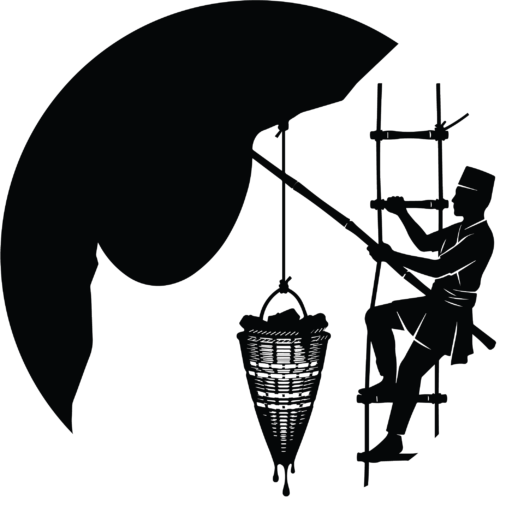
The Gurung honey hunters are traditionally associated with communities in Nepal that harvest wild honey from cliffside bee colonies. They are often described as “honey hunters” because they do not simply keep bees in boxes like beekeepers. Instead, they locate natural colonies, climb or descend cliffs, smoke the bees away from the combs, cut portions of honeycomb, and collect the harvest as a team.
They are not just “extreme climbers”
Online videos often focus on the visual drama: men hanging from ropes, bees swarming, giant combs on vertical rock, and baskets of honey being lowered from dangerous heights. That part is real, but it is only one layer. The hunters also rely on local knowledge: where bees nest, when flowers bloom, how the weather affects the bees, how to avoid destroying colonies, and how to work together safely.
The tradition is community-based
Honey hunting is rarely a solo act. A harvest can involve climbers, rope handlers, smokers, cutters, collectors, elders, guides, porters, and community members waiting below. The person on the rope may be the most visible figure, but the harvest depends on everyone around him.
Why Gurung honey hunters matter
Gurung honey hunters matter because they represent a living tradition tied to Nepal’s mountain ecology. Their work connects culture, risk, income, biodiversity, and the modern global demand for rare honey. When people buy or talk about Nepalese mad honey, this community context should not disappear behind the product.
Who Are the Gurung People?
The Gurung are an ethnic community in Nepal with deep roots in the hill and mountain regions of the country. They are known for strong village traditions, community life, agricultural work, military history, and cultural practices shaped by Nepal’s rugged geography.
Gurung communities and mountain life
Many Gurung villages are located in areas where steep terrain, forests, rivers, and cliffs are part of daily life. This landscape shaped how people farmed, traveled, traded, and collected wild resources. Honey hunting grew out of that relationship with the land.
Why honey hunting became associated with Gurung communities
Gurung honey hunting became widely known because some Gurung villages maintained and demonstrated cliff-harvesting traditions in areas where giant honey bees nest. Over time, documentaries, travelers, photographers, and honey sellers helped make the Gurung honey hunter image one of the most recognizable symbols of Nepalese wild honey.
A tradition, not a performance
It is easy for outsiders to treat honey hunting as a spectacle. But for the people involved, the harvest can carry practical, spiritual, and cultural meaning. It can provide income, strengthen community ties, and preserve knowledge that younger generations may otherwise leave behind as they move toward city work or tourism jobs.
The Daily Life Behind the Tradition
Honey hunting is seasonal, but the knowledge behind it is part of a broader way of life.
Village knowledge and local ecology
Hunters learn by watching older men, listening to elders, and spending time in the landscape. They learn where colonies return, which cliffs are active, when bees become aggressive, when the honey is ready, and which plants are blooming.
This knowledge is not written like a modern manual. It is carried through memory, experience, repetition, and community observation.
Seasonal work and timing
Honey hunting often happens during specific seasons, depending on flower availability and bee behavior. Spring harvests are especially associated with rhododendron bloom in some regions, which is why spring honey is often discussed in relation to mad honey. Other harvests may be more focused on regular wild honey or different nectar sources.
Rituals and respect
In some communities, honey hunting may include prayers, offerings, or respectful customs before the harvest. These practices reflect the seriousness of the work. A cliff harvest is dangerous, and the bees are not treated as ordinary livestock. The harvest depends on negotiation with nature, not full control over it.
How Gurung Honey Hunters Harvest Cliff Honey
The harvest process is difficult, coordinated, and physically demanding. It should be understood as a high-risk traditional practice, not a casual method to copy.
Locating the cliff colonies
The first step is knowing where the bees are nesting. Apis laboriosa often builds large exposed combs under overhangs or on cliff faces. These sites may be used repeatedly if the ecology remains favorable and the colony survives.
The hunters observe colony size, comb position, bee activity, weather, and access routes. A cliff that looks dramatic in a video may represent years of local knowledge.
Preparing the rope system
Traditional harvests often use rope ladders or rope systems made from local materials, though some communities now use more modern rope. The rope is anchored above the cliff, and the main hunter descends toward the combs while others manage the rope from above or below.
The rope team is crucial. A mistake from someone not on the cliff can still endanger the person hanging near the combs.
Using smoke
Smoke is used to drive bees away from the comb area and reduce direct swarming around the hunter. It does not make the harvest safe. Bees can still attack, visibility can become difficult, and smoke exposure itself can be uncomfortable.
Cutting and lowering the comb
The hunter uses long tools to cut sections of comb. Pieces may fall into baskets, nets, or collection areas below. The goal is to collect honeycomb while avoiding unnecessary destruction of the colony. In reality, the process can be rough, and sustainability depends heavily on how much comb is taken and how often the site is harvested.
Collection and processing
After collection, honey may be drained, filtered, separated by comb type, or stored for transport. Handling matters because wild honey can vary in moisture, texture, debris, wax content, and flavor. If the honey is later sold commercially, batch handling and traceability become especially important.
Tools, Roles, and Skills Involved
A honey harvest is built around teamwork. The hunter on the rope is only one part of the operation.
Rope handler
Rope handlers help secure, lower, stabilize, and manage the person descending the cliff. Their role is critical because the hunter’s safety depends on the rope system staying controlled.
Smoker
The smoker manages smoke near the colony. This requires judgment: too little smoke may not move the bees; too much can create visibility and breathing problems.
Cutter
The cutter is often the person closest to the comb. He must balance his body, avoid panic, manage tools, handle bees, and cut the honeycomb without losing control.
Collectors and ground team
The ground team receives falling comb, manages baskets, gathers honey, watches for danger, and helps transport the harvest. They may also keep bystanders away from risky areas.
Elders and experienced hunters
Experienced hunters carry the memory of routes, cliffs, colony behavior, and harvest timing. Younger hunters may learn by assisting before taking on the most dangerous roles.
Why the Harvest Is Dangerous
Honey hunting is dangerous because several risks stack on top of each other.
Height and exposure
The obvious danger is height. Hunters may hang from cliffs with limited support, exposed to wind, rock movement, and fatigue. A slip, rope failure, or sudden panic can be fatal.
Bee aggression
Apis laboriosa colonies can be large and defensive. Even with smoke, bees may swarm aggressively. Stings can distract the hunter, cause pain, or trigger more serious reactions in sensitive individuals.
Smoke and visibility
Smoke helps move bees, but it can also irritate the eyes and lungs. On a cliff, reduced visibility or coughing can become dangerous quickly.
Weather and terrain
Rain, wind, loose rock, slippery ground, and changing temperatures can all make the harvest riskier. A cliff harvest depends on timing and conditions, not just bravery.
Limited safety equipment
Some harvests still rely on traditional tools and local rope systems. Modern gear may improve safety, but it can also change the tradition and may not always be available or affordable.
Seasonality: When Honey Hunting Happens
Honey hunting is shaped by bee activity, flower bloom, and local climate.
Spring and rhododendron bloom
Spring is important in many mad honey discussions because rhododendron flowers bloom in certain regions, and nectar from some species can contain grayanotoxins. When bees forage heavily on those flowers, honey may become more likely to carry mad honey characteristics.
Autumn and other harvest periods
Not all harvests are the same. Some honey may come from different bloom periods or mixed floral sources. This can affect flavor, color, thickness, and potential effects.
Why season changes the honey
Honey reflects the landscape at the time it is made. If different flowers are blooming, bees collect different nectar. That means one harvest season can produce honey that tastes and behaves differently from another.
Why batch information matters
Because seasons matter, buyers should not treat all Nepalese honey as identical. A responsible seller should be able to explain harvest season, region, and batch context instead of relying only on “Himalayan” as a label.
Gurung Honey Hunting and Mad Honey
The Gurung honey hunting tradition is often linked to mad honey, but the relationship needs careful explanation.
What makes honey “mad”
Honey becomes “mad honey” when it contains meaningful levels of grayanotoxins, usually linked to nectar from certain rhododendron species. These compounds can create dose-sensitive effects and, at higher exposure, unpleasant or dangerous symptoms.
Not all Gurung-harvested honey is mad honey
Cliff-harvested honey is not automatically mad honey. The bee species, cliff location, and harvesting method do not guarantee grayanotoxin content. The nectar source and season are the key factors.
Spring vs autumn harvests
In some regions, spring honey may be more associated with rhododendron bloom and stronger effects. Other harvests may be milder or dominated by different flowers. This is why “Nepal honey” or “Gurung honey” should not be treated as a single predictable product.
Why effect claims need caution
It is irresponsible to promise the same effect from every jar. Mad honey can vary by batch, and people vary in sensitivity. Responsible content should explain that variation instead of turning Gurung honey hunting into a guaranteed “trip” story.
Cultural Meaning of Honey Hunting
Honey hunting is not only a production method. It is a cultural practice tied to identity, risk, and community memory.
Skills passed down over generations
Honey hunting skills are often learned through observation, assistance, and gradual responsibility. The knowledge includes rope work, bee behavior, timing, cliff access, and how to coordinate a group during danger.
Pride and identity
For many communities, honey hunting is a point of pride because it shows courage, endurance, and local expertise. It represents a relationship with the landscape that outsiders often admire but rarely understand fully.
Community participation
The harvest can involve people beyond the climber. Families, elders, porters, cooks, guides, and local organizers may all play a role. The work is shared, and so are the risks and benefits.
Respect for bees and nature
Traditional honey hunting depends on bees returning year after year. If harvesting becomes too aggressive, the tradition can damage the very resource it depends on. Respect for bees is not just symbolic; it is practical.
Livelihood and Tourism
Modern demand has changed the economics of honey hunting.
Honey as income
Wild honey can provide important income for rural communities. Because the harvest is difficult and rare, the honey can command higher prices than ordinary honey, especially when marketed internationally.
Tourism and documentary attention
Visitors often want to see the harvest in person. Documentary crews and travel media have also helped popularize the image of the Gurung honey hunter. This attention can bring income, but it can also create pressure to perform harvests for outsiders.
Risk of turning culture into spectacle
When honey hunting is treated only as a visual show, the community’s knowledge and risk can be undervalued. Ethical tourism should pay fairly, respect local control, and avoid pressuring hunters into unsafe demonstrations.
Fair compensation
If the product is sold internationally at premium prices, the communities doing the dangerous work should benefit fairly. Fair sourcing is a major trust issue in the mad honey category.
Ethics and Sustainability
The future of Gurung honey hunting depends on more than consumer demand.
Avoid overharvesting
Taking too much comb can weaken colonies and reduce future honey availability. Sustainable harvesting should leave enough comb and bee population for colonies to recover.
Protect bee habitats
Apis laboriosa depends on suitable cliffs, forests, floral diversity, and seasonal nectar sources. Habitat damage, climate shifts, and over-commercialization can all threaten the tradition.
Respect local control
Local communities should control how their traditions are represented, filmed, marketed, and monetized. Outsiders should not extract stories, images, or honey without fair exchange.
Responsible commercial sourcing
A responsible honey brand should be able to explain how honey is sourced, whether collectors are paid fairly, and how the harvest avoids unnecessary harm.
Authenticity: How Buyers Should Think About Gurung Honey
Authenticity mad honey is about more than a dramatic photo of a man on a rope.
“Gurung honey” is not a magic label
A seller may use “Gurung,” “Himalayan,” or “cliff honey” without providing real sourcing information. These words should invite questions, not end them.
Look for origin and batch details
Better signs include:
- country and region
- village or harvest area context
- harvest season
- batch or lot number
- explanation of whether it is spring or autumn honey
- clear safety guidance
- responsible sourcing claims with substance behind them
Be cautious with guaranteed effects
Any seller promising “guaranteed high,” “instant trip,” or “strongest mad honey” is using the wrong frame. Authenticity should be linked to traceability and safety, not intensity.
Ask what the seller can prove
Good questions include:
- Where was it harvested?
- When was it harvested?
- Who collected it?
- Is it linked to rhododendron bloom?
- Is there batch information?
- Is there any lab testing or COA?
- What safety guidance is provided?
Safety: Gurung Honey and Mad Honey Effects
People searching for Gurung honey hunters often also want to understand what the honey does.
Effects depend on batch and person
Some people describe low-dose mad honey as calming, warm, heavy, or subtly mood-shifting. Others feel little. If someone takes too much or has a stronger batch, the effects can become uncomfortable.
Warning signs
Symptoms that suggest someone may have taken too much include:
- dizziness
- nausea or vomiting
- sweating
- weakness
- confusion
- faintness
- low blood pressure sensations
- slow pulse sensation
Who should avoid it
Mad honey is not suitable for children, pregnant or breastfeeding women, people with low blood pressure, people with heart conditions, people prone to fainting, or anyone taking medication affecting blood pressure, heart rate, sedation, or anxiety.
Start low and do not mix
A conservative approach is essential. Do not mix mad honey with alcohol, kava, mushroom gummies, sedatives, sleep aids, or other substances that affect balance, heart rate, blood pressure, or judgment.
Conclusion
Gurung honey hunters represent one of Nepal’s most remarkable living harvest traditions. Their work is not just an extreme cliffside spectacle; it is a community practice shaped by mountain ecology, bee behavior, seasonal timing, inherited skill, and real danger.
For buyers and readers, the most important lesson is respect. Respect the people doing the work, respect the bees and cliffs that make the honey possible, and respect the fact that some batches may be biologically active. Gurung honey should be understood through culture, ecology, traceability, and safety, not through hype alone.
Questions we get asked
Who are Gurung honey hunters?
Gurung honey hunters are members of Nepalese communities known for harvesting wild honey from cliffside bee colonies, often using traditional rope, smoke, and cutting methods.
Where do Gurung honey hunters live?
They are associated with Nepal’s hill and Himalayan regions, especially areas where wild cliff bees and traditional honey hunting practices have continued.
What bees do they harvest from?
They are often associated with Apis laboriosa, the Himalayan giant honey bee, which builds large combs on cliffs.
Is Gurung honey the same as mad honey?
Not always. Gurung-harvested honey can be mad honey if the nectar source contains enough grayanotoxins, often linked to rhododendron bloom. But not every Gurung or cliff honey batch is equally active.
Why do they harvest honey from cliffs?
The bees naturally build combs on cliffs and overhangs. Hunters go where the bees nest, which is why the harvest is so dangerous.
Is honey hunting dangerous?
Yes. The risks include height, bees, smoke, weather, loose rock, fatigue, and limited safety equipment.
Is Gurung honey hunting ethical?
It can be ethical when communities control the harvest, are paid fairly, avoid overharvesting, and protect bee habitats. It becomes problematic when outsiders exploit the tradition for spectacle or cheap sourcing.
Can tourists watch Gurung honey hunting?
In some areas, tourists may be able to watch, but ethical tourism should respect local rules, pay fairly, avoid pressuring unsafe performances, and follow the community’s lead.
How do I know if Gurung honey is authentic?
Look for origin details, harvest season, batch information, transparent sourcing, conservative safety guidance, and preferably lab testing or COA where available.
Aditya Lakher is the editor of The Mad Honey Guide and an SEO Analyst and Content Ecosystem Manager at Himaida Nepal Pvt. Ltd. Based in Kathmandu, Nepal, he has spent years building a reliable resource for readers navigating mad honey’s effects, safety, dosage, and legality. His editorial focus is on accuracy, source transparency, and consumer safety ensuring every article reflects current research rather than commercial interest.
The Mad Honey Guide publishes educational articles on mad honey’s science, safety, culture, history, and regulation. We sell no products, recommend no sellers, and publish no dosing instructions. Our content does not replace professional medical or legal advice.
Follow Us On
